ACCA Career & Certification Playbook™
for UAE, Saudi Arabia & GCC
ACCA CERTIFICATION SNAPSHOT™
ACCA Career & Certification Playbook™
The Association of Chartered Certified Accountants (ACCA) qualification is one of the world's most respected professional accounting qualifications. It prepares finance professionals to develop expertise in financial reporting, management accounting, taxation, audit, corporate finance, business strategy, ethics, and leadership.
Unlike many finance certifications that focus on a single specialist area, ACCA develops well-rounded professionals capable of supporting business growth, improving financial performance, managing risk, and contributing to executive decision-making.
Across the UAE, Saudi Arabia, Qatar, Oman, Kuwait, and Bahrain, ACCA-qualified professionals are highly valued by multinational corporations, financial institutions, consulting firms, government entities, and rapidly growing private organisations.
Whether your ambition is to become a Financial Accountant, Finance Manager, Financial Controller, Finance Director, or Chief Financial Officer (CFO), ACCA provides one of the strongest professional foundations available.
ACCA Qualification Journey
Your journey to ACCA membership typically progresses through these stages:
Applied Knowledge
↓
Applied Skills
↓
Strategic Professional
↓
Ethics & Professional Skills Module
↓
Practical Experience Requirement (PER)
↓
ACCA Membership
This structured pathway develops both technical accounting expertise and the professional judgement expected of senior finance leaders.
Quick Facts
Qualification Provider
Association of Chartered Certified Accountants (ACCA)
Qualification
ACCA Professional Qualification
Primary Domain
Accounting, Finance & Business Leadership
Recommended For
Professionals seeking careers in accounting, finance, auditing, taxation, financial management, or executive finance leadership.
Best Suited For
- Accounting Students
- Accounts Assistants
- Junior Accountants
- Financial Accountants
- Management Accountants
- Auditors
- Finance Executives
- Tax Professionals
- Financial Analysts
- Treasury Professionals
- Finance Managers (aspiring)
- Future Financial Controllers and CFOs
Recommended Career Path
Accounts Assistant
↓
Junior Accountant
↓
Financial Accountant
↓
Senior Accountant
↓
Finance Manager
↓
Financial Controller
↓
Finance Director
↓
Chief Financial Officer (CFO)
📊 GCC Market Insight™ #01
As the GCC continues to diversify its economies and strengthen corporate governance, demand for qualified finance professionals remains strong. Organisations increasingly seek finance professionals who combine technical accounting expertise with commercial awareness, analytical thinking, and strategic decision-making capabilities.
ACCA CAREER FIT ASSESSMENT™
Is ACCA the Right Qualification for You?
ACCA is ideal for professionals who enjoy analysing financial information, solving business problems, supporting strategic decisions, and helping organisations improve financial performance.
The qualification is designed for individuals who want to build long-term careers in accounting and finance while developing leadership capability.
ACCA Is an Excellent Choice If You:
✓ Enjoy analysing financial information.
✓ Like solving business problems using data.
✓ Want an internationally recognised accounting qualification.
✓ Aspire to become a Finance Manager or CFO.
✓ Enjoy continuous learning.
✓ Want career flexibility across multiple industries.
ACCA May Not Be the Right Choice If You:
✗ Have little interest in finance or accounting.
✗ Prefer highly specialised investment or taxation careers without broader finance responsibilities.
✗ Expect professional qualifications to replace practical experience.
Self-Assessment Checklist
Ask yourself:
- Do I enjoy working with numbers?
- Am I comfortable analysing data?
- Do I enjoy solving business problems?
- Can I pay close attention to detail?
- Do I enjoy learning continuously?
- Am I interested in understanding how businesses operate financially?
The more "Yes" responses you have, the stronger your alignment with ACCA.
💡 Dubai-Forever Career Insight™ #01
Many successful finance leaders began their careers processing invoices, reconciling accounts, or assisting with month-end reporting. Technical accounting knowledge is important, but curiosity about how businesses create value is what transforms accountants into business leaders.
ACCA CERTIFICATION INTELLIGENCE™
Understanding ACCA
ACCA is not simply an accounting examination programme.
It develops professionals who can interpret financial information, support business strategy, manage financial risks, uphold ethical standards, and contribute to organisational decision-making.
The qualification combines technical expertise with professional judgement and leadership.Core Learning Areas
Throughout the qualification, you'll develop expertise in:Business Perspective
- Financial Accounting
- Management Accounting
- Business & Technology
- Corporate & Business Law
- Taxation
- Financial Reporting
- Audit & Assurance
- Financial Management
- Strategic Business Leadership
- Strategic Business Reporting
- Ethics & Professional Skills
Modern finance professionals are expected to:
- Improve financial performance.
- Support executive decision-making.
- Manage organisational risk.
- Ensure regulatory compliance.
- Provide commercial insight.
- Drive business growth through financial analysis.
Finance is increasingly recognised as a strategic partner to the business.
Dubai-Forever Financial Leadership Model™ (DF-FLM-024)
High-performing finance professionals balance six strategic dimensions.
Dimension
Financial Accuracy
Business Insight
Risk Management
Decision Support
Strategic Finance
Business Leadership
Leadership Question
Is the financial information reliable?
What does the data tell us about the business?
What financial risks should be managed?
How can finance support better decisions?
How does finance contribute to long-term success?
How can finance influence organisational performance?
Exceptional finance professionals move beyond reporting numbers to helping leaders make better decisions.
ACCA CAREER VALUE™
How ACCA Can Accelerate Your Career
ACCA is recognised by employers worldwide as a qualification that develops technical competence, ethical judgement, commercial awareness, and leadership capability.
It prepares professionals for careers that extend far beyond traditional accounting.
Career Progression:
Accounts Assistant
↓
Financial Accountant
↓
Senior Accountant
↓
Finance Manager
↓
Financial Controller
↓
Finance Director
↓
Chief Financial Officer
Career Advantages:
ACCA helps you:
- Build international credibility.
- Increase promotion opportunities.
- Strengthen business understanding.
- Improve analytical capability.
- Expand career flexibility across industries.
- Prepare for executive finance leadership.
Before vs After ACCA
Before Qualification
Recording Transactions
Preparing Reports
Following Accounting Rules
Operational Finance
Financial Administration
After Qualification
Interpreting Financial Results
Advising Business Leaders
Supporting Strategic Decisions
Strategic Finance
FBusiness Partnership
💰 Salary Insight™ #01
ACCA enhances employability, but long-term earning potential depends on your ability to interpret financial information, influence business decisions, improve financial performance, and communicate effectively with senior leaders. Strategic finance professionals consistently command higher compensation than those focused solely on transactional accounting.
ACCA EXAM INTELLIGENCE™
Understanding the ACCA Qualification Structure
Unlike single-exam certifications, ACCA assesses your knowledge progressively across multiple stages, combining technical expertise, professional judgement, ethics, and practical experience.
Success requires understanding concepts and applying them to realistic business situations.
What You'll Develop
Throughout the qualification you will strengthen your ability to:
- Analyse financial statements.
- Interpret business performance.
- Evaluate investment decisions.
- Manage organisational risk.
- Support strategic planning.
- Apply ethical judgement.
- Communicate financial recommendations.
- Solve complex business problems.
Always refer to the latest ACCA syllabus and examination guidance before planning your studies, as requirements and available options may change over time.
Real Business Finance Scenario™
Imagine you are the Financial Accountant of a manufacturing company in Dubai.
Sales have increased by 18% over the past year, yet profits have declined.
As the finance professional:
- What financial information would you analyse first?
- Which business risks concern you?
- What questions would you ask operational managers?
- What recommendations could improve profitability?
- Which financial ratios would support your conclusions?
This type of commercial thinking reflects the mindset expected of modern finance professionals.
Qualification Readiness Checklist™
Before beginning ACCA, ask yourself:
✓ Am I prepared for a long-term professional qualification?
✓ Can I commit to consistent study over multiple examination sessions?
✓ Do I enjoy analysing financial information?
✓ Am I willing to develop business understanding alongside technical accounting knowledge?
✓ Do I value ethical decision-making?
✓ Am I interested in becoming a strategic finance professional rather than simply preparing accounts?
⚠️ Success Killer™ #01
One of the biggest mistakes ACCA students make is focusing exclusively on passing examinations. Employers value professionals who can explain financial information, communicate business insights, and recommend practical solutions—not simply prepare accurate reports.
ACCA CERTIFICATION JOURNEY™
Your Journey to Becoming a Strategic Finance Professional
The ACCA Qualification is not a sprint—it is a structured professional journey that develops technical expertise, ethical judgement, commercial awareness, and leadership capability.
Your objective should not simply be to complete examinations.
Your objective should be to become a finance professional that business leaders trust.
Think of your ACCA journey in five progressive stages.
Stage 1 — Build Your Accounting Foundation
Develop confidence in:
- Financial Accounting
- Management Accounting
- Business Fundamentals
- Financial Statements
- Accounting Principles
Everything you learn later depends upon this foundation.
Stage 2 — Develop Commercial Thinking
Move beyond recording transactions.
Start asking:
- Why are profits increasing?
- Why is cash flow declining?
- What business risks exist?
- How can finance improve decisions?
- What information does management need?
Commercial curiosity separates finance leaders from accountants.
Stage 3 — Apply Finance to Real Businesses
Look beyond textbooks.
Observe how organisations:
- Prepare budgets
- Control costs
- Forecast revenue
- Evaluate investments
- Manage cash flow
- Measure profitability
Every organisation becomes your classroom.
Stage 4 — Complete the ACCA Qualification
Develop a structured study routine.
Combine:
- Official ACCA materials
- Practice questions
- Case studies
- Mock examinations
- Business news
- Financial statement analysis
Study consistently rather than intensively.
Stage 5 — Continue Developing After Qualification
Qualification is only the beginning.
Continue strengthening:
- Leadership
- Strategic Finance
- Business Partnering
- Financial Analysis
- Corporate Strategy
- Executive Communication
- Commercial Decision-Making
The best finance professionals never stop learning.
🚀 Career Accelerator™ #01
Every week, choose one publicly listed company and analyse its annual report. Focus on revenue growth, profitability, cash flow, debt levels, and strategic risks. This habit develops commercial judgement far beyond examination preparation.
ACCA SKILLS INTELLIGENCE™
Skills Developed Through ACCA
The ACCA Qualification develops far more than accounting knowledge.
It builds professionals capable of analysing businesses, advising executives, managing risk, and supporting strategic decisions.
Technical Finance Skills
Throughout ACCA you'll strengthen:
- Financial Accounting
- Financial Reporting
- Management Accounting
- Corporate Finance
- Audit & Assurance
- Taxation
- Financial Management
- Performance Management
- Strategic Business Reporting
- Business Law
Leadership Skills
Successful finance professionals also develop:
- Decision-Making
- Communication
- Negotiation
- Ethical Judgement
- Commercial Awareness
- Critical Thinking
- Problem Solving
- Business Partnering
Business Skills
Modern finance leaders increasingly contribute to:
- Strategic Planning
- Budgeting
- Forecasting
- Investment Analysis
- Cost Optimisation
- Business Performance
- Risk Management
- Executive Decision Support
Dubai-Forever Finance Decision Framework™ (DF-FDF-025)
Every important financial recommendation should follow a structured process.
Stage
Business Question
Gather Financial Data
Validate Accuracy
Analyse Performance
Assess Risk
Recommend Action
Measure Outcomes
Strategic Question
What problem are we solving?
What information is required?
Can the data be trusted?
What do the numbers reveal?
What financial risks exist?
Which option creates the greatest value?
Did the decision improve business performance?
Finance professionals create value by improving decisions—not simply reporting numbers.
💡 Dubai-Forever Career Insight™ #02
The finance professionals who progress fastest are those who explain financial information in language that operational managers understand. Business leaders appreciate accountants who simplify complexity and provide practical recommendations.
ACCA LEARNING BLUEPRINT™
A Practical 18-Month ACCA Study Strategy
Because ACCA consists of multiple examinations, consistency matters far more than speed.
Build a sustainable routine that fits your work and personal commitments.
Stage 1
Complete the Applied Knowledge papers.
Focus on:
- Accounting Principles
- Business Technology
- Management Accounting
Develop conceptual understanding rather than memorisation.
Stage 2
Progress through the Applied Skills papers.
Strengthen:
- Financial Reporting
- Audit
- Taxation
- Financial Management
- Performance Management
Relate every topic to practical business situations.
Stage 3
Prepare for Strategic Professional.
Develop:
- Strategic Thinking
- Executive Communication
- Professional Judgement
- Leadership
- Ethics
This stage reflects the expectations placed on senior finance professionals.
Throughout Your Journey
Continue:
- Reading annual reports
- Following business news
- Analysing company performance
- Practising case studies
- Reviewing examination feedback
Commercial awareness should grow alongside technical knowledge.
⭐ Dubai-Forever Recommendation™ #01
Whenever you study a financial concept, ask yourself:
"How would this help a CEO make a better business decision?"
That single question will transform the way you approach ACCA.
ACCA LEARNING RESOURCES™
Build Your Finance Learning Ecosystem
Successful ACCA students combine official learning materials with continuous exposure to business, finance, and economics.
Official Resources
Start with:
- Official ACCA Study Materials
- Practice Platform
- Examiner Reports
- Technical Articles
- Current Syllabus
Always ensure your preparation aligns with the latest ACCA guidance.
Recommended Reading
Develop broader commercial awareness through books covering:
- Corporate Finance
- Financial Analysis
- Strategic Management
- Business Economics
- Leadership
- Investment
- Financial Markets
Understanding business is just as important as understanding accounting.
Workplace Learning
Your organisation provides valuable learning opportunities.
Observe:
- Budget Meetings
- Financial Reviews
- Audit Discussions
- Cash Flow Planning
- Investment Decisions
- Cost Reduction Initiatives
- Business Forecasting
Every finance meeting becomes a learning experience.
Professional Communities
Continue learning through:
- ACCA Chapters
- Finance Associations
- CFO Forums
- LinkedIn Finance Groups
- Industry Conferences
- Accounting Webinars
Networking expands both technical knowledge and career opportunities.
Real Business Finance Scenario™
Your company's revenue has grown by 22%, but operating cash flow has declined significantly.
Before preparing a report, consider:
- Which financial statements should you analyse?
- What ratios would you calculate?
- Could inventory or receivables be affecting cash flow?
- Which stakeholders should you consult?
- What recommendations would you present to management?
Questions like these develop the analytical judgement expected of finance professionals.
ACCA TRAINING INTELLIGENCE™
Choosing the Right ACCA Learning Strategy
Every ACCA student learns differently.
Select an approach that matches your experience, schedule, and preferred learning style.
Self-Paced Study
Suitable for:
- Disciplined learners
- Working professionals
- Candidates comfortable studying independently
Advantages include:
- Flexible scheduling
- Lower costs
- Greater control over study pace
Instructor-Led Learning
Ideal for:
- First-time accounting students
- Professionals seeking structured guidance
- Candidates who benefit from classroom discussion
Benefits include:
- Experienced tutors
- Interactive learning
- Structured revision
- Immediate feedback
Employer-Sponsored Learning
Many organisations support ACCA studies through:
- Tuition assistance
- Study leave
- Examination reimbursement
- Mentoring
- Internal finance development programmes
Take advantage of these opportunities where available.
Training Provider Evaluation Checklist™
Before enrolling, ask:
✓ Does the programme align with the latest ACCA syllabus?
✓ Are business case studies incorporated into teaching?
✓ Do instructors have practical finance experience?
✓ Are mock examinations provided?
✓ Is commercial awareness developed alongside technical knowledge?
✓ Does the programme prepare you for a finance career... not simply examinations?
The strongest programmes produce finance professionals who can analyse businesses and support executive decision-making.
⚠️ Success Killer™ #02
Many ACCA students spend all their time solving examination questions but very little time understanding how finance operates in real organisations. Employers hire professionals who can interpret financial information, communicate insights clearly, and influence business decisions—not just pass examinations.
INVESTMENT & ROI™
Is ACCA Worth the Investment?
The ACCA Qualification is one of the strongest long-term investments a finance professional can make. Unlike short-term certifications, ACCA develops technical expertise, ethical judgement, commercial awareness, and leadership capability over time.
The real question is not:
"How much does ACCA cost?"
Instead ask:
"How much more valuable will I become after completing ACCA?"
Your Investment
Typical investment includes:
COMPONENT
Registration & Annual Fees
Examination Fees
Study Materials
Tuition
Study Time
Practical Experience
CONSIDERATIONS
ACCA registration and student subscription
Individual paper fees
Textbooks, revision kits, question banks
Self-study or classroom/online learning
Usually spread over multiple exam sessions
Workplace learning through the Practical Experience Requirement (PER)
Remember that the qualification is designed as a long-term professional journey rather than a single examination.
Certification ROI Framework™ (DF-CROI-003)
Factor
Employer Recognition
Career Value
Salary Growth Potential
International Mobility
Business Leadership
Learning Difficulty
Future Demand
Overall ROI
Rating
⭐⭐⭐⭐⭐
⭐⭐⭐⭐⭐
⭐⭐⭐⭐⭐
⭐⭐⭐⭐⭐
⭐⭐⭐⭐⭐
⭐⭐⭐⭐☆
⭐⭐⭐⭐⭐
⭐⭐⭐⭐⭐
Long-Term Benefits
Completing ACCA can help you:
- Strengthen professional credibility.
- Expand career opportunities globally.
- Progress into management and leadership roles.
- Develop commercial decision-making capability.
- Improve earning potential.
- Build a pathway toward Finance Director and CFO positions.
💰 Salary Insight™ #02
The highest-paid ACCA professionals are not necessarily the strongest accountants—they are the strongest business advisors. Employers reward finance professionals who improve profitability, optimise cash flow, reduce risk, and support executive decision-making with meaningful financial insights.
CAREER OPPORTUNITIES™
Career Paths After ACCA
The ACCA Qualification prepares professionals for careers across accounting, finance, auditing, consulting, banking, and corporate leadership.
Because every organisation requires financial expertise, ACCA-qualified professionals have exceptional career flexibility.
Common Job Titles
- Financial Accountant
- Management Accountant
- Senior Accountant
- Financial Analyst
- Internal Auditor
- External Auditor
- Tax Consultant
- Finance Business Partner
- Finance Manager
- Financial Controller
- Finance Director
Industries Hiring ACCA Professionals
Strong demand exists across:
- Banking & Financial Services
- Consulting
- Big Four Firms
- Manufacturing
- Construction
- Healthcare
- Retail
- Oil & Gas
- Government
- Hospitality
- Aviation
- Technology
Career Progression:
Accounts Assistant
↓
Financial Accountant
↓
Senior Accountant
↓
Finance Manager
↓
Finance Business Partner
↓
Financial Controller
↓
Finance Director
↓
Chief Financial Officer (CFO)
📊 GCC Market Insight™ #02
As governments and businesses across the GCC strengthen corporate governance, expand internationally, and adopt more sophisticated financial reporting standards, demand continues to grow for finance professionals who combine accounting expertise with commercial thinking, regulatory awareness, and strategic business insight.
SALARY INTELLIGENCE™
ACCA Salary Outlook
Compensation depends on several factors, including:
- Country
- Industry
- Employer Size
- Years of Experience
- Technical Expertise
- Leadership Responsibility
- Commercial Impact
ACCA improves employability, but long-term salary progression is strongly influenced by your ability to contribute to business performance.Indicative Salary Guide
Position
Junior Accountant
Financial Accountant
Senior Accountant
Finance Manager
Financial Controller
UAE (AED/Month)
5,000–8,000
8,000–15,000
12,000–20,000
20,000–35,000
30,000–50,000+
Saudi Arabia (SAR/Month)
5,000–9,000
8,000–16,000
12,000–22,000
20,000–38,000
30,000–55,000+
These figures are indicative and vary based on organisation, industry, qualifications, and professional experience.
Factors That Increase Earning Potential
Finance professionals generally command higher salaries when they combine ACCA with:
- Financial Analysis
- FP&A
- ERP Systems (SAP, Oracle, Microsoft Dynamics)
- Business Partnering
- Data Analytics
- Treasury Management
- Leadership Skills
- Executive Communication
💡 Dubai-Forever Career Insight™ #03
The fastest-growing finance careers belong to professionals who move beyond compliance and reporting. When you become the person executives rely on to interpret financial data, evaluate strategic options, and guide business decisions, your professional value increases dramatically.
PROFESSIONAL BRANDING INTELLIGENCE™
Positioning Yourself for Finance Leadership Opportunities
Adding ACCA to your resume is valuable—but employers want evidence that you can apply financial knowledge to real business challenges.
Your resume should demonstrate impact, not just responsibilities.
Resume Strategy
Highlight ACCA within:
- Professional Summary
- Certifications & Qualifications
- Core Competencies
- Professional Experience
- Key Achievements
Support your qualification with measurable business outcomes.
High-Value ATS Keywords
Naturally incorporate relevant keywords throughout your resume.
Examples include:
- Financial Reporting
- Management Accounting
- Financial Analysis
- Budgeting & Forecasting
- Cash Flow Management
- Financial Planning
- Audit & Assurance
- Taxation
- IFRS
- Internal Controls
- Cost Optimisation
- Business Partnering
- ERP Systems
- Financial Modelling
- Corporate Finance
Achievement Example
Instead of:
"Prepared monthly financial reports."
Write:
"Prepared monthly financial reporting packages and profitability analyses that enabled senior management to identify cost-saving opportunities, improve budgeting accuracy, and strengthen financial decision-making across multiple business units.
"Employer Readiness Framework™ (DF-ERF-004)
Evaluate yourself across eight critical dimensions.
✓ Technical Finance Knowledge
✓ Commercial Awareness
✓ Business Communication
✓ Professional Qualification
✓ ATS-Optimised Resume
✓ LinkedIn Profile
✓ Interview Readiness
✓ Leadership Capability
Finance professionals who consistently strengthen all eight areas are significantly more competitive in today's job market.
🎯 Recruiter's Perspective™ #01
Recruiters are increasingly looking for finance professionals who demonstrate commercial impact rather than simply technical competence. Quantifying improvements in profitability, cost control, forecasting accuracy, cash flow management, or financial reporting quality makes your resume substantially more compelling than listing routine accounting tasks.
RECRUITER
VISIBILITY INTELLIGENCE™
Building Your Professional Reputation
LinkedIn has become one of the most effective platforms for finance recruitment across the GCC.
Your profile should communicate not only your accounting expertise but also your ability to support strategic business decisions.
Headline Example:
ACCA Candidate | Financial Accountant | Financial Reporting | Budgeting & Forecasting | IFRS | Financial Analysis | Business Partnering
About Section:
Your professional summary should explain:
- Industries you've worked in.
- Finance specialisations.
- Systems you've used.
- Business contributions.
- Career aspirations.
Avoid filling your profile with accounting terminology without demonstrating measurable business value.
Skills to Highlight:
Prioritise:
- Financial Reporting
- Financial Analysis
- Management Accounting
- Budgeting
- Forecasting
- Cash Flow Management
- IFRS
- Internal Controls
- Financial Modelling
- ERP Systems
Build Thought Leadership
Increase your professional visibility by:
- Sharing finance insights.
- Discussing business trends.
- Commenting on IFRS developments.
- Publishing articles on budgeting, forecasting, or business performance.
- Participating in ACCA and finance communities.
- Sharing lessons learned from finance projects.
Dubai-Forever Finance Business Value Model™ (DF-FBVM-027)
Long-term finance career success is created by balancing:
Financial Knowledge
Commercial Awareness
Analytical Thinking
Business Communication
Strategic Decision Support
Professionals who consistently strengthen all five areas become trusted finance advisors rather than transactional accountants.
🚀 Career Accelerator™ #02
Within one week of passing your next ACCA paper:
✓ Update your ATS-optimised resume with your latest qualification progress and measurable finance achievements.
✓ Refresh your LinkedIn profile and professional headline.
✓ Publish a LinkedIn post sharing a business lesson you learned through your ACCA studies or workplace experience.
✓ Request recommendations from managers or finance leaders who can validate your analytical ability, commercial thinking, and business contribution.
✓ Begin documenting finance projects—such as budgeting, forecasting, audit support, cost reduction initiatives, or process improvements—to build a professional portfolio that demonstrates real business impact.
INTERVIEW INTELLIGENCE™
Succeeding in Finance Interviews
Once you have ACCA—or are progressing through the qualification—your interviews should demonstrate much more than accounting knowledge.
Employers want finance professionals who can answer a bigger question:
"Can you use financial information to help us make better business decisions?"
Interviewers will evaluate your technical knowledge, commercial awareness, analytical ability, communication, ethics, and judgement.
Technical Interview Questions
Prepare for questions such as:
- Walk me through the financial statements.
- How would you analyse a company's profitability?
- How would you investigate an unexpected variance?
- How would you improve cash flow?
- Explain your approach to budgeting and forecasting.
- How would you strengthen internal financial controls?
- How would you identify financial risks?
- How would you explain a complex financial issue to a non-finance executive?
Don't simply provide textbook definitions.
Explain how you would apply your knowledge in a real business environment.
Commercial Questions
Expect questions such as:
- How would you determine whether a business is financially healthy?
- What would you investigate if revenue increased but profit declined?
- How can finance support business growth?
- Which KPIs would you present to a CEO?
- How would you evaluate a major investment?
- How would you identify opportunities for cost optimisation?
These questions test whether you can think beyond accounting.
Behavioural Questions
Prepare examples demonstrating:
- Analytical Thinking
- Problem Solving
- Communication
- Stakeholder Management
- Ethical Judgement
- Leadership
- Conflict Resolution
- Decision-Making
- Commercial Awareness
Use the STAR method:
Situation → Task → Action → Result
Whenever possible, quantify the outcome.
Dubai-Forever Finance Career Maturity Model™ (DF-FCMM-026)
Your career can evolve through six stages:
Accounting Foundation
↓
Finance Professional
↓
Senior Finance Professional
↓
Finance Business Partner
↓
Finance Leader
↓
Chief Financial Officer
Each stage requires broader commercial understanding and greater influence over business decisions.
🎯 Recruiter's Perspective™ #02
Finance recruiters don't simply look for candidates who can prepare accurate accounts. They look for evidence that candidates can interpret information, communicate financial insights, challenge assumptions, influence stakeholders, and support commercial decisions. Your interview answers should therefore demonstrate business impact, not just technical competence.
PORTFOLIO INTELLIGENCE™
Building Your Finance Achievement Portfolio
Your ACCA qualification demonstrates knowledge.
Your professional portfolio demonstrates what you can actually do with that knowledge.
This distinction becomes increasingly important as you progress toward senior finance roles.
Projects Worth Documenting
Build case studies around projects involving:
- Budgeting
- Forecasting
- Financial Reporting
- Cost Reduction
- Cash Flow Improvement
- Financial Controls
- Audit
- Working Capital
- Financial Modelling
- ERP Implementation
- Process Automation
- Management Reporting
- Business Performance Analysis
For Every Project Include:
Business Challenge
What problem did the organisation face?
Your Role
What were you personally responsible for?Analysis
What information did you examine?
Action
What did you recommend or implement?
Result
What changed?Business Impact
How did your work affect:
- Revenue?
- Profitability?
- Costs?
- Cash flow?
- Risk?
- Compliance?
- Efficiency?
- Decision-making?
Example:
Instead of documenting:
"Prepared monthly management reports."
Create a case study around:
"Redesigned monthly management reporting across five business units, introducing profitability and variance analysis that enabled leadership to identify cost overruns earlier and improve budget control."
The second version demonstrates business value.
Finance Professional Value Pyramid™
Your long-term value increases as you progress through:
Finance Knowledge
↓
Professional Qualification
↓
Practical Experience
↓
Business Achievements
↓
Professional Brand
↓
Leadership Influence
↓
Strategic Business Impact
ACCA provides an important foundation, but your professional achievements determine how effectively you convert that foundation into career progression.
🚀 Career Accelerator™ #03
Create three detailed finance case studies from your professional experience. Choose projects involving cost savings, financial analysis, forecasting, audit, controls, cash flow, or process improvement. These case studies can become powerful material for your resume, LinkedIn profile, interviews, promotion discussions, and future leadership applications.
SUCCESS KILLERS™
Common Mistakes That Limit ACCA Career Growth
Passing ACCA examinations does not automatically create a high-value finance career.
Avoid these common mistakes.
Success Killer #1
Treating ACCA as the destination rather than the foundation.
The qualification should open the door to greater responsibility—not become the final achievement on your profile.
Success Killer #2
Remaining purely transactional.
If your work consists entirely of:
- Data entry
- Invoice processing
- Reconciliations
- Routine reporting
you may eventually encounter a career ceiling.
Look for opportunities to become involved in analysis and decision-making.
Success Killer #3
Ignoring technology.
Modern finance professionals need familiarity with:Success Killer #4
- ERP systems
- Excel
- Power BI
- Financial modelling
- Data analytics
- Automation
- AI-assisted finance tools
Poor communication.
An excellent financial analysis loses its value if executives cannot understand your recommendation.
Learn to explain financial information simply.
Success Killer #5
Failing to understand the business.
Know:
- How the company makes money.
- What drives costs.
- Which customers matter.
- Where risks exist.
- What competitors are doing.
- Which KPIs executives monitor.
⚠️ Success Killer™ #03
The biggest career mistake an ACCA professional can make is becoming known only as "the person who prepares the numbers." Your long-term value increases when you become the person who explains what the numbers mean, identifies what could happen next, and recommends what the business should do about it.
FUTURE INTELLIGENCE™
The Future of Accounting & Finance
The finance profession is undergoing a fundamental transformation.
Automation and Artificial Intelligence are increasingly capable of performing repetitive activities such as:
- Data entry
- Invoice processing
- Reconciliation
- Report generation
- Basic variance analysis
- Document extraction
This does not eliminate the need for finance professionals.
It changes what valuable finance professionals do.
The Future Finance Professional
Tomorrow's strongest finance professionals will increasingly combine:
- Accounting
- Data Analytics
- Business Intelligence
- Technology
- Strategic Thinking
- Communication
- Risk Management
- Commercial Awareness
Emerging Finance Skills:
Consider developing expertise in:
Financial Analytics
Use data to identify trends, risks, opportunities, and performance drivers.
Power BI
Convert financial data into management dashboards and decision-support tools.
ERP Systems
Develop expertise in platforms such as:
Financial Modelling
- SAP
- Oracle
- Microsoft Dynamics
Build models that help management evaluate:
AI in Finance
- Investments
- Forecasts
- Scenarios
- Business cases
- Capital allocation
Understand how AI can support:
- Financial analysis
- Forecasting
- Reporting
- Fraud detection
- Risk analysis
- Process automation
Future Finance Skills Stack™
A powerful long-term combination is:
ACCA
+
Financial Analysis
+
Data Analytics
+
ERP
+
Business Intelligence
+
AI
+
Leadership
=
Future-Ready Finance Professional
🤖 AI Intelligence™ #01
Artificial Intelligence is likely to automate an increasing proportion of routine finance work, but strategic judgement remains fundamentally human. Finance professionals who understand the numbers and the business, communicate effectively with leaders, challenge assumptions, and use technology intelligently will be better positioned than professionals who rely solely on transactional accounting skills.
DUBAI-FOREVER SUCCESS BLUEPRINT™
Your 12-Month Roadmap to Becoming a High-Value Finance Professional
Completing ACCA is a major professional achievement.
But the ultimate objective should be much bigger:
Become the finance professional that business leaders trust to understand performance, identify risks, and improve decisions.
Months 1–3
Strengthen Your Foundation
Focus on:
- Financial Accounting
- Management Accounting
- Financial Reporting
- Financial Analysis
- Business Fundamentals
At the same time, begin developing stronger Excel and data-analysis capabilities.
Months 4–6
Expand Your Commercial Knowledge
Learn how your organisation makes money.
Understand:
- Revenue Drivers
- Cost Drivers
- Profitability
- Cash Flow
- Working Capital
- KPIs
- Business Risks
Start participating in discussions outside the finance department.
Months 7–9
Build Your Professional Brand
Update:
- ATS-Optimised Resume
- LinkedIn Profile
- Professional Headline
- Finance Skills
- ACCA Qualification Status
- Measurable Achievements
Document three major finance projects.
Begin positioning yourself for roles with greater analytical and commercial responsibility.
Months 10–12
Prepare for Your Next Career Level
Develop complementary capabilities in:
- Power BI
- Financial Modelling
- ERP Systems
- Business Partnering
- Strategic Finance
- AI in Finance
- Leadership
Then identify your next target role.
For example:
Accountant → Senior Accountant
or
Senior Accountant → Finance Manager
or
Finance Manager → Financial Controller
or
Finance Professional → Finance Business Partner
Dubai-Forever Finance Career Maturity Model™
Use this model to determine where you currently sit:
Level 1 — Accounting Foundation
You understand accounting principles and financial processes.
Level 2 — Finance Professional
You independently manage finance responsibilities.
Level 3 — Senior Finance Professional
You analyse financial performance and influence operational decisions.
Level 4 — Finance Business Partner
You work directly with business leaders to support decisions.
Level 5 — Finance Leader
You lead finance teams and influence organisational strategy.
Level 6 — CFO
You become responsible for the organisation's overall financial strategy and increasingly contribute to enterprise leadership.
Executive Action Plan™
This Week
Identify the three financial metrics that matter most to your organisation.
Ask yourself:
"What causes these numbers to move?"
This Month
Analyse one business unit, product, project, or customer segment and identify a financial improvement opportunity.
Next 90 Days
Complete or progress your ACCA studies while simultaneously developing one complementary skill such as Power BI, financial modelling, or advanced Excel.
Update your resume and LinkedIn profile with measurable finance achievements.
Next 12 Months
Build a portfolio of finance projects, expand your commercial exposure, strengthen your technology skills, and pursue a role with greater analytical, strategic, or leadership responsibility.
Next Career Milestone
Move from:
Reporting the numbers
to
Explaining the numbers
to
Influencing decisions
to
Driving business performance.
⭐ Dubai-Forever Recommendation™ #02
Don't build your career around the question,
"What accounting job can I get with ACCA?"
Build it around:
"What business problems can I solve because I understand finance?"
That shift can take you from transactional accounting to finance business partnering, financial leadership, and eventually the CFO track.
ACCA provides the professional foundation; your commercial thinking, technology skills, leadership capability, and measurable business impact determine how far you take it.
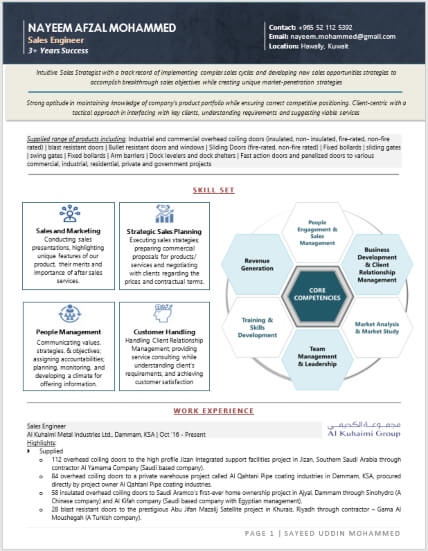
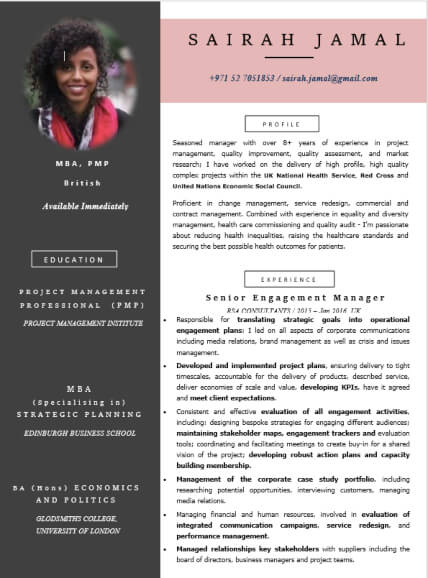
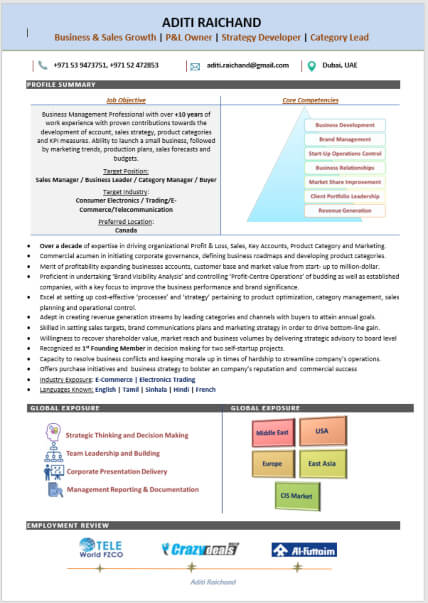
Michael Page Articles

I am a regular contributor of articles on my "Subject Matter Expertise" with Michael Page, the elite International Recruiting Firm with branches across the world. Here are some published ones:











Shabbiir Kagalwalla
Professional CV | LinkedIn Writer
Mobile|WhatsApp:
+91-9158104352
Email ID:
shabbir@dubai-forever.com
BOTIM | IMO:
+91-9158104352
LinkedIn:
https://www.linkedin.com/in/shabbirfkagalwala/
Let's TALK! WhatsApp/SMS me, and we can talk on Zoom/Google Meet/Whatsapp Call.
CV WRITING -
HOW IT WORKS...
- Fill up the Interview Questionnaire.
- Send your Existing CV.
- Pay for CV Writing Service.
- Receive 1st Draft in 2-3 days. Give Feedback.
- Receive Final CV, (unlimited revisions) + FREE Bonus worth US$ 190.
LEARN More About 'How It Works' and the 'Procedure for CV Writing'...
___________________________
FREE Whatsapp Jobs Groups

Please join ANY ONE ONLY from these 14 General Groups:
GCC Jobs Groups: 1, 2, 3, 4, 5, 6, 7, 8, 9, 10, 11, 12, 13, 14, 15
And join your Sector-Specific Groups:
Accounting/Auditing • Secretary/Admin • Agriculture • Airlines • Apparel/Fashion • Automotive • Banking/Finance • Building Materials • Call Center • Construction • C-Level • Design/Creative/Arts • Diver • Aeronautical Engineering • Chemical Engineering • Civil Engineering • Electrical Engineering • Energy Engineering • Industrial Engineering • FMCG • Freelancer • Government/Public Sector • Hospitality • HR • HSE • Insurance • Internship/Fresher • IT & AI • Legal/Law • Logistics/Supply Chain • Management • Marketing • Media •
Medical/Nursing • Oil & Gas • Purchase/Procurement • Real Estate • Remote/Hybrid • Sales/Retail • Security • Teaching • Technician • Transportation
___________________________
LinkedIn Jobs Group

Join the fastest growing Jobs Group on LinkedIn for jobs & vacancies direct from Recruiters...
___________________________
Facebook Jobs Group

Join the fastest growing Middle East Jobs Group on Facebook.
___________________________
Click on the "Leave a Message" or "Chat With Us" window just below, and write us a message, with your name and email ID. We will promptly revert back...
CV Evaluation

Get a FREE CV evaluation done. And also check your CV's performance with respect to a job description, to know how it will perform in that company's ATS (HR) software.
________________________________









By Shabbir Kagalwala, Copyright © 2009 - 2026...
Be a BIG part of our social initiative to help job-seekers find jobs in the GCC. Share jobs posted on these Whatsapp Groups, & on this site.
This site is Powered By Solo Build It!